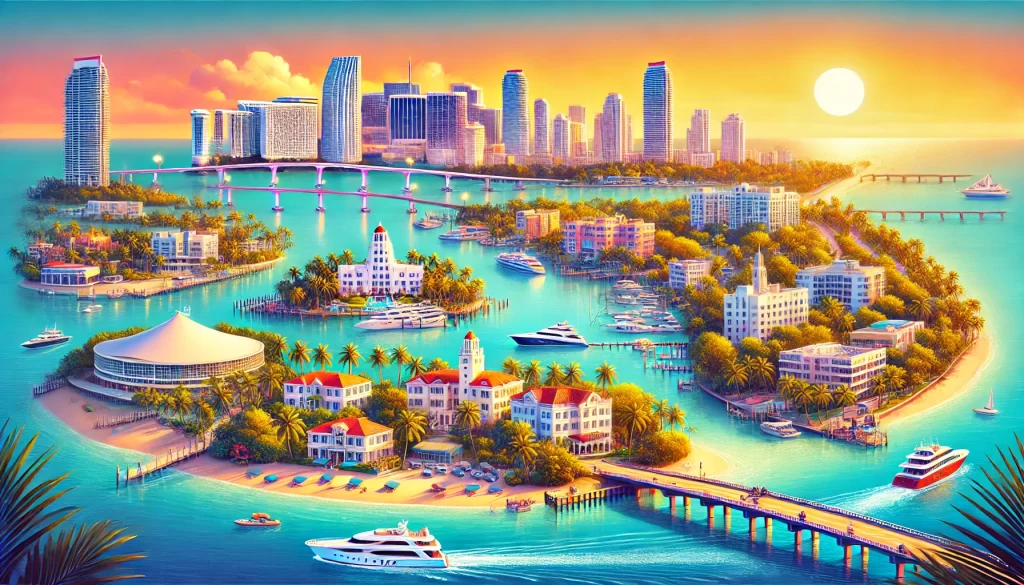
Sunlight splashes off turquoise water as Miami’s skyline recedes behind you, and suddenly the world is just wind, wake, and possibility. Boating South Florida is a sensory cocktail—tropical heat, shimmering channels, and islands stacked with personality. Whether you’re a weekend skipper or a seasoned captain, smart planning and local knowledge turn an ordinary cruise into a flawless adventure.
Setting sail starts long before the anchor drops. Plot your route on up-to-date charts and apps, allowing for fuel stops, tide changes, and time to explore. Check the weather windows religiously: sea breezes build in the afternoon, thunderstorms fire up in summer, and cold fronts can bring brisk, choppy conditions in winter. File float plans with a friend and understand local regulations—no-wake zones, protected mangrove areas, and anchoring restrictions are strictly enforced across county lines. If you’ll cross into federal waters or the Bahamas, ensure documentation, customs forms, and safety gear meet all requirements.
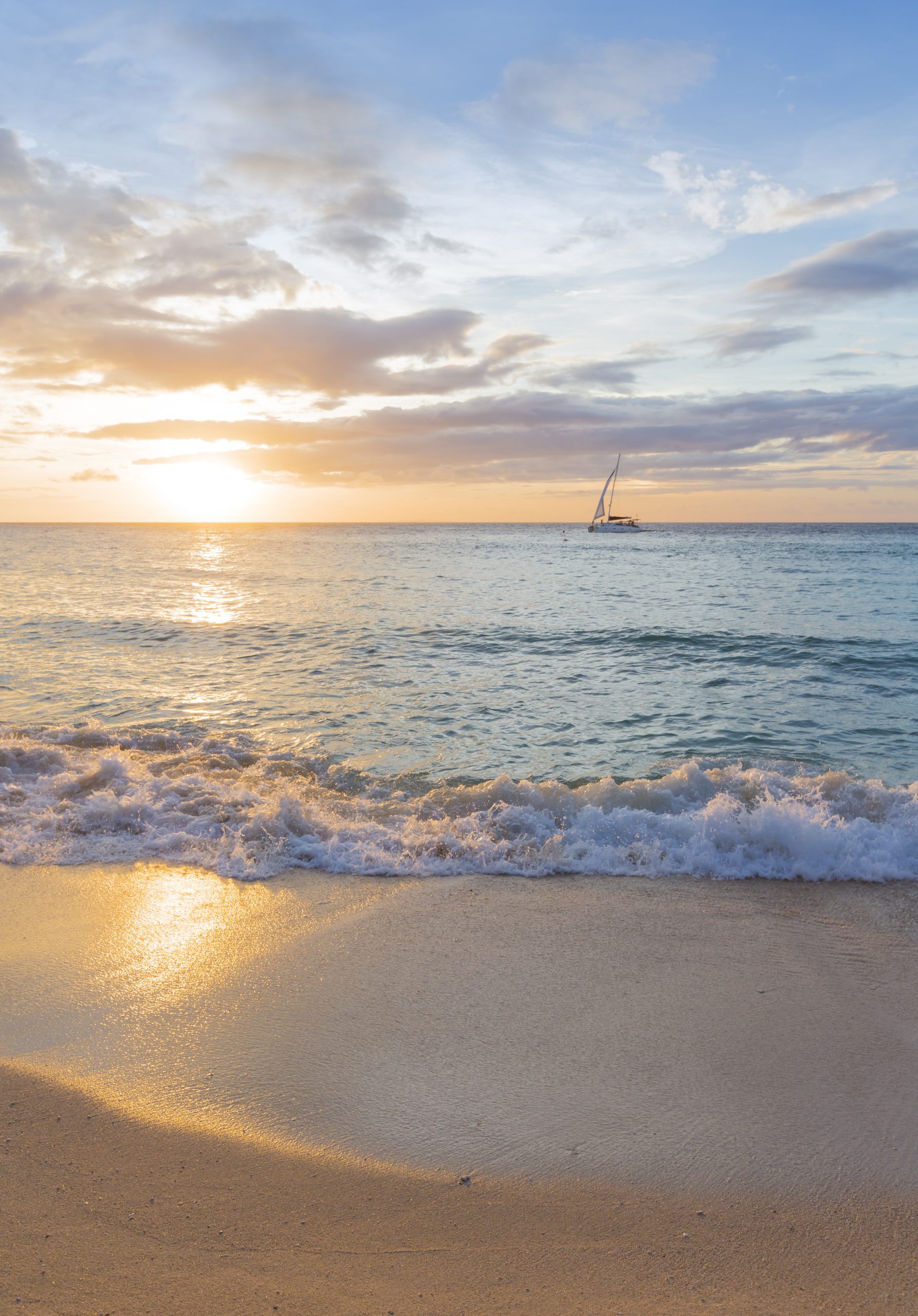
The waterways themselves are the main attraction. Biscayne Bay offers calm, crystal passages studded with sandbars and Biscayne National Park as a snorkeling paradise—perfect for leisurely days and family outings. The Intracoastal Waterway runs like a protected highway north–south, weaving through barrier islands with seamless access to marinas, shops, and restaurants; it’s ideal when you prefer calmer seas and easy provisioning. Venture farther and the Florida Keys unfurl: coral-lined reefs, blue horizons, and classic stops like Key Largo and Islamorada. The Keys demand respect for currents and shallow flats, but reward you with world-class fishing, diving, and island culture.
Gear and safety aren’t optional; they’re your best friend on blue-water days. Modern chartplotters and reliable GPS keep you on course, while paper charts and a handheld VHF remain indispensable backups. Carry a well-stocked first-aid kit, extra water, flares, an EPIRB or PLB, and redundant power sources. Practice man-overboard drills with your crew and brief everyone on basic emergency procedures before departure. Boating responsibly also means protecting fragile ecosystems—use mooring buoys rather than anchoring on reefs, avoid discharging waste, and pick eco-friendly cleaning products and sunscreen to limit chemical runoff.
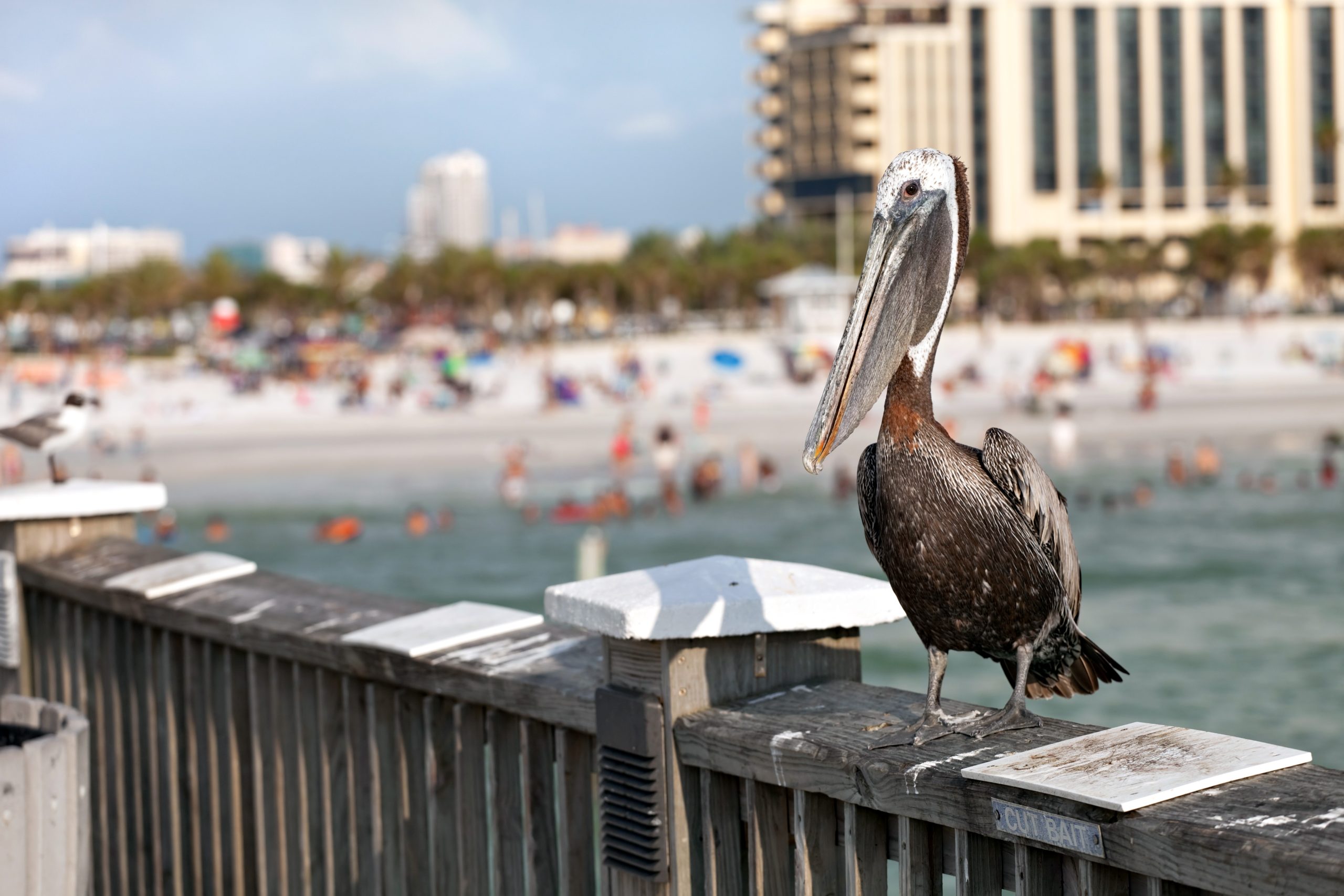
Back on shore, dockside delights await. South Florida’s marinas range from intimate slips to full-service yacht havens with concierge fueling, maintenance, and provisioning. Waterfront restaurants serve fresh ceviche, stone-crab claws, and cocktails garnished with ocean breezes—perfect for sunset dinners. Wildlife encounters are common: dolphins porpoise in your bow wave, manatees graze in quiet inlets, and colorful birds patrol the mangroves. As night falls, city lights and waterfront bars pulse with energy; whether you prefer low-key tiki huts or lively rooftops, the post-cruise scene keeps the adventure going long after the engines cool.
Before you cast off, consider hiring a local captain for your first trip to learn tricky channels and hidden gems; many charter companies offer half-day excursions that teach while they entertain. Plan trips around winter and spring for calmer seas and festival-packed weekends, but don’t dismiss summer—mornings are perfect for early fishing and fewer crowds. Leave time to drift, listen, and let South Florida reveal itself at your own pace.