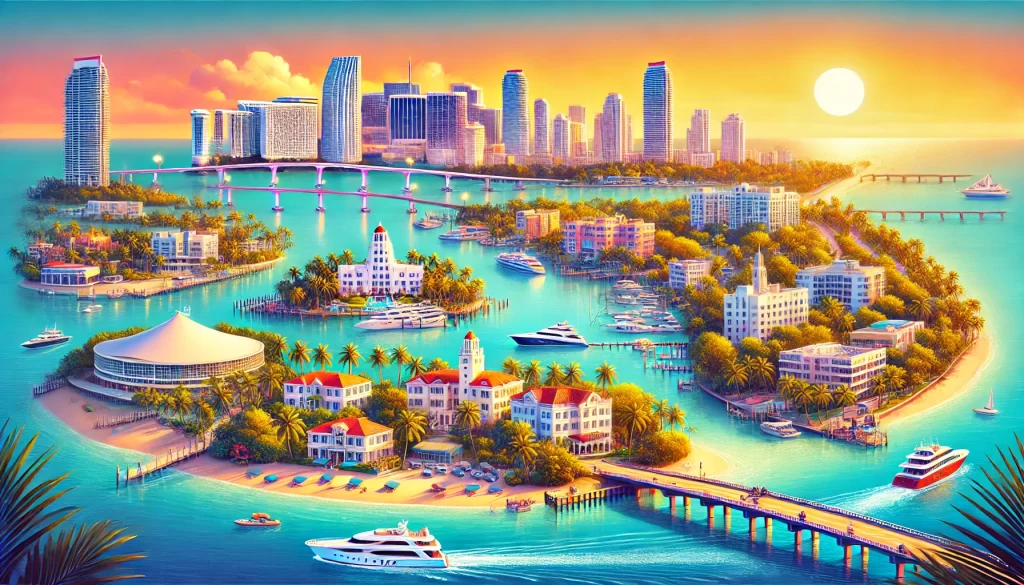
South Florida is a playground for boaters, offering bays, mangrove-lined backcountry and island chains that beg to be explored. Knowing where to drop the hook and how to stay safe transforms a good day on the water into an unforgettable trip. Here’s a practical guide to must-anchor spots, lesser-known hideaways, rules you need to follow, smart anchoring techniques, and timing tips for maximum comfort.
Must-anchor spots: Biscayne Bay tops the list for convenience and scenery — anchor off Elliott Key or Boca Chita in Biscayne National Park for calm water and easy snorkeling. The Upper Keys from Key Largo through Islamorada offer bountiful reefs and spacious anchorages; anchor near Lignumvitae and Alice Town for classic Florida Keys vibes. Inlets like Haulover and Hillsboro provide quick access from Miami and Fort Lauderdale to offshore reefs, while calmer options like No Name Harbor at Key Biscayne invite families to swim and picnic. For adventurous boaters, the Ten Thousand Islands and the Flamingo area of the Everglades deliver wild scenery and quiet backcountry anchoring.
Hidden gems: If you’re tired of crowded hotspots, scout out Sandspur Island and Soldier Key for secluded beaches, or the quieter mangrove basins around Little Whale Harbor near Islamorada. Boca Chita can still feel tranquil on weekday afternoons, and tiny bays tucked behind remote keys often require a bit of local knowledge or a shallow-draft vessel to access — but the payoff is privacy, wildlife sightings and a sense of discovery.
Rules & permits: South Florida’s waters are regulated by multiple authorities. Always consult NOAA charts, the Florida Fish and Wildlife Conservation Commission, and the National Park Service for specific rules in Biscayne and the Everglades. Some anchorages restrict overnight stays, prohibit anchoring on seagrass, or require permits for backcountry camping. City and county ordinances may also set mooring field rules. Carry paper charts and digital apps, and check with marinas or park rangers before dropping anchor.
Anchoring smart: Equip your boat with the right anchor, adequate chain and a snubber to absorb shock. In shallow, sandy bottoms a plow or fluke anchor works well; add a length of chain for better holding in currents. Use a scope of at least 5:1 in calm conditions and 7:1 or more when wind or current strengthen. Set the anchor by reversing under gentle power, then back down to test holding. Consider a trip line for weed-free retrieval and deploy a kellet in areas with variable wind to reduce drag. Keep a handheld VHF, life jackets and an anchor alarm on your phone.
Timing & comfort: Afternoon sea breezes often build storms in summer — plan anchoring earlier in the day. Peak boating season runs December through April when waters are calmer and temperatures are pleasant, but expect crowds. Slack tide is best for navigating shallow inlets. Know hurricane season protocols and have a departure plan. For amenities, anchorages near marinas in Key Largo, Marathon and Islamorada provide fuel, dinghy docks and restaurants; more remote spots mean self-sufficiency.
Smooth seas ahead.